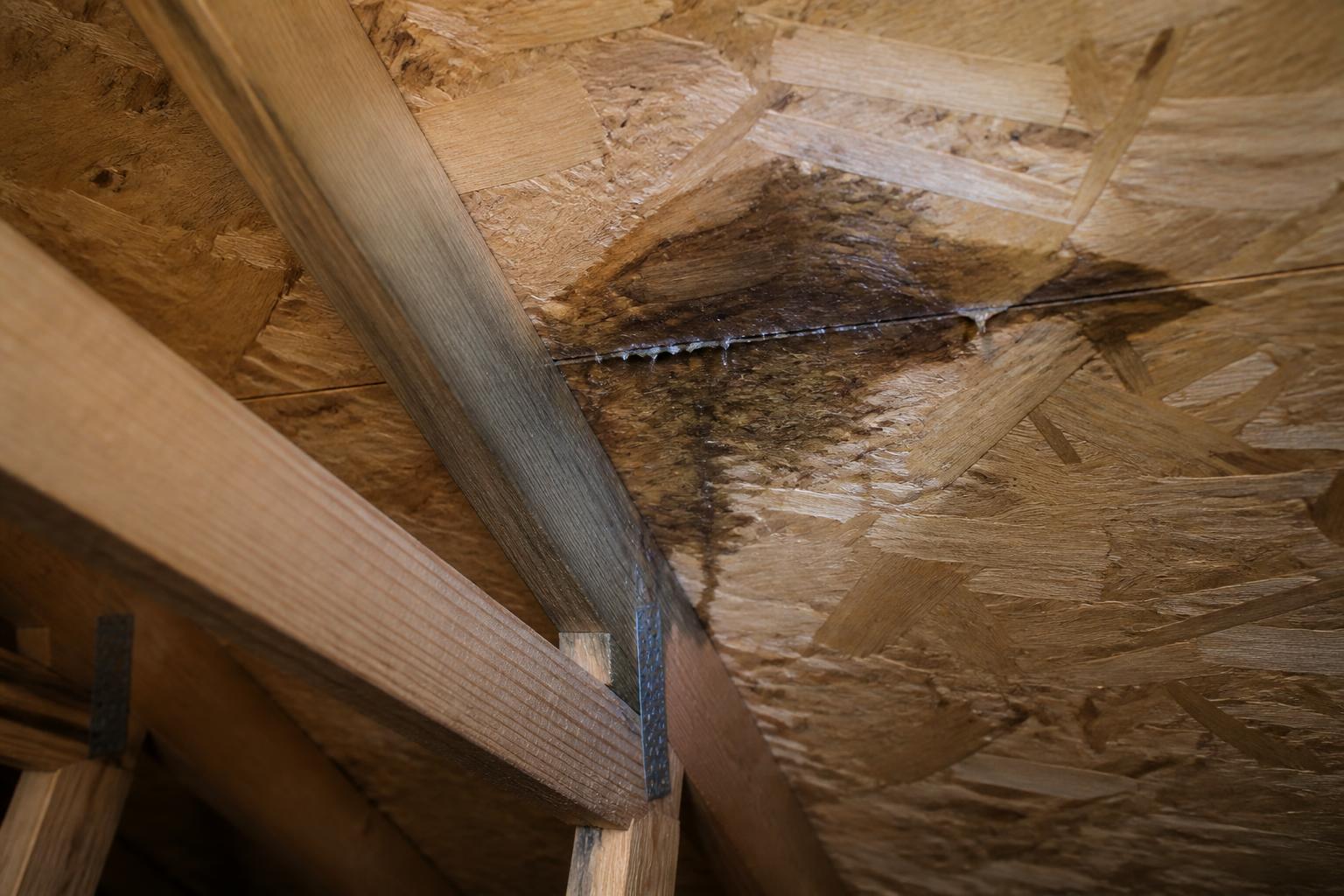
A small ceiling stain, a damp attic smell, or a brown edge near the wall can point to a roof leak long before the damage spreads. If you notice water marks after rain or see a dark spot that keeps returning, it is time to get the source checked rather than guessing from the inside of the house.
Gold Roofer El Cajon helps property owners track down roof leaks at the source, not just where the water shows up. We inspect the roof, the vulnerable details around it, and the areas where water often travels, so you can move from uncertainty to a clear repair plan.
Roof leaks do not always announce themselves with dripping water. Many start as small entry points that only reveal themselves after moisture has moved through layers of roofing materials and insulation. Catching these clues early can limit the amount of repair needed.
If you are seeing one or more of these signs at your El Cajon, CA property, a targeted leak check can help prevent the same area from being patched over and over without solving the source.
Water often appears far from where it entered. That is one reason leak detection matters. A small opening around roofing materials can send water along framing, under underlayment, or across attic surfaces before it reaches the ceiling inside the home.
Leaks commonly begin where different roofing materials meet, where fasteners have loosened, or where shingles have shifted. Flashing, penetrations, and roof edges often deserve close attention because they create natural transition points.
Once water gets below the outer surface, it may follow a beam or collect in insulation before making itself visible. That means the stain you notice inside is often a clue, not the true entry point.
When the source is traced accurately, repair work can focus on the real opening rather than the visible damage. That can save time, reduce repeated patching, and help keep the next rainfall from reopening the same problem.
Gold Roofer El Cajon looks at the roof as a system, since leaks rarely come from just one obvious spot. We search for visible damage, loose details, and areas where water may be entering quietly.
This process is useful for homes and businesses alike, especially when the goal is to identify the leak source before additional staining or material damage develops.
Leak detection works best when it follows a clear path. We start with what you can see, then work backward through the roof assembly until we find the likely point of entry.
We begin with your observations. A stain that shows up during rainfall, a damp wall corner, or a recurring drip after a storm can all narrow the search.
Next, we examine the roof surface and details that commonly allow water entry. The goal is to identify wear, separation, or damage that lines up with the interior signs.
We follow the moisture pattern from the inside outward or from the roof inward, depending on what the situation calls for. This helps separate the visible damage from the actual opening.
Once the source is located, we explain the issue clearly so you know what needs attention next. That may involve roof repair, shingle replacement, or another roof service based on what the leak has affected.
Certain roof details deserve extra attention because they are frequent entry points for water. Knowing these areas can help you understand why a leak may appear suddenly even when the roof looks fine from the ground.
These are the kinds of places we focus on during a leak search, because they often explain why water appears in the same spot again and again.
Finding the leak source is only the first part. From there, the next move depends on how far the water has traveled and what parts of the roof are affected. Some leaks call for a focused roof repair, while others may involve replacing damaged shingles or addressing a broader roof section.
We also consider whether the leak has affected the interior surfaces beneath the roof. A prompt response after the source is identified can help limit the spread of staining, wood damage, and repeated moisture intrusion.
Gold Roofer El Cajon keeps the next step practical. You get a clear explanation of what is causing the leak and what should be done so the same issue does not keep returning after the next storm or heavy rain.
Our leak detection service is centered on El Cajon, CA, with support available for nearby communities such as La Mesa, Santee, Lemon Grove, Spring Valley, San Diego, Lakeside, Chula Vista, and National City. If you have noticed water intrusion at a home, rental, or business property, we can help identify where it is coming from.
Property owners often call when a stain appears suddenly, when a leak keeps returning after patching, or when they need a roof inspection tied to a specific moisture concern. When the source is unclear, a careful search is usually the fastest way to stop chasing symptoms.
A stain that grows after rainfall, changes shape over time, or appears near the ceiling often points to roof-related moisture. The pattern matters as much as the color.
Water can travel along framing, insulation, and roof layers before it becomes visible. The inside drip or stain is often several feet away from the actual entry point.
Yes. A minor opening can widen, move more water through the roof, and affect more building materials after repeated exposure.
Write down when you first noticed the stain, whether it changes during rain, and which rooms or areas are affected. Photos can also help show how the problem develops.
No. Stains, odors, soft spots, or peeling paint can all justify a leak check before active dripping begins.
Yes. If a patch keeps failing, source tracing can reveal whether the real problem is nearby flashing, damaged shingles, or another roof detail that has been missed.
If your roof is showing signs of moisture intrusion, the safest next step is to identify the source before the damage spreads. Gold Roofer El Cajon serves El Cajon, CA with leak detection focused on practical answers and clear repair direction.
Call (858) 441-0522 to discuss what you are seeing and schedule a roof leak inspection. The sooner the source is found, the easier it is to protect the rest of the roof and the spaces below it.

Get Help Now
Tell us what is happening with your roof, whether it is a leak, missing shingles, storm damage, or a larger repair need. We will help you understand the next step and get the right service started.